

News
Why new care homes struggle through their opening period – and the four things that actually help.
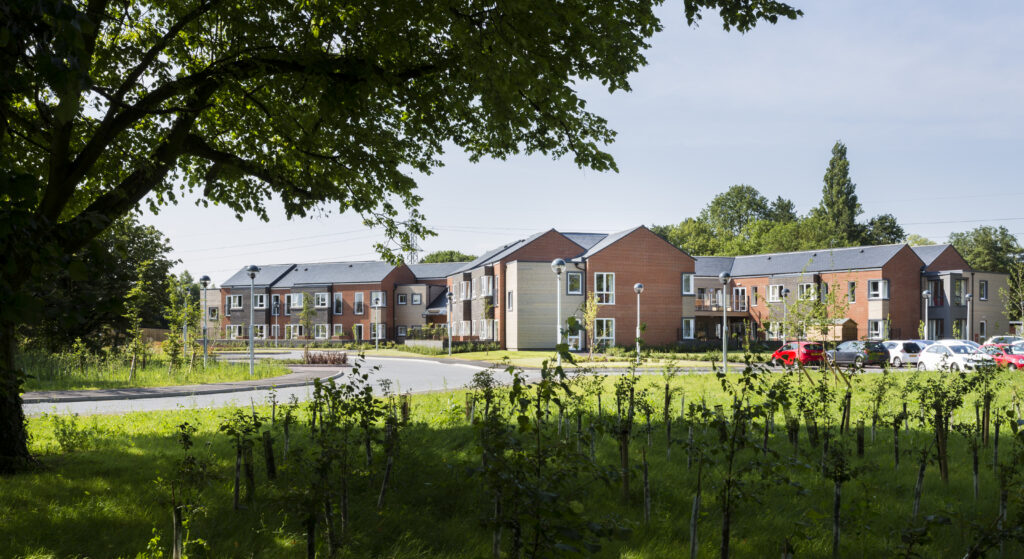
When people ask me what goes wrong in a new care home, they expect me to say money. It is almost never money.
I have helped open new services and I have been called in to steady ones that opened badly, and the pattern repeats with a consistency that still surprises me. The building is finished. Registration comes through. The doors open. And then eighteen months of grinding difficulty that nobody put in the plan.
The financial model usually assumed a steady climb to eighty per cent occupancy inside a year. The reality is a slow first six months, a wobble when the first manager leaves, and an inspection that arrives before the team has found its feet. None of that is a funding problem. It is a sequencing problem.
The first enquiry rarely comes from an advert. It comes from a social worker who has met your manager, a discharge team who have had a good experience, a family who visited on a whim and were shown round properly by someone who was not too busy.
That network takes months to build and it cannot be built after opening. The homes that fill well are the ones whose manager spent the six months before opening in other people’s meetings — sitting in the placement panel, visiting the discharge team, being a face rather than a brochure. If your manager is appointed four weeks before opening, you have already lost the first two quarters of your occupancy curve.
Everyone knows a new home needs to recruit. Fewer people plan for the fact that a new home has no culture to recruit into.
In an established service a new starter learns how things are done by watching. In a brand new one, forty people arrive on the same Monday and every one of them brings the habits of their last employer. Some of those habits are excellent. Some are the reason they left.
New services often treat the first inspection as a hurdle to clear. It is better understood as a report card on decisions already made. Care plans written in the first fortnight, when everyone was overwhelmed, are the care plans an inspector reads. Medication processes improvised in week one become the processes people follow in month nine.
The single most useful thing I have seen a provider do is bring in an experienced clinical lead for the first three months only — not to run the service, but to set the records up properly while the manager is busy being visible.
Appoint the manager six months early. Pay for the overlap. It is the highest-return money in the whole project.
Write the first thirty care plans before anyone moves in — with the families, at their kitchen tables if necessary.
Plan for eighteen months, not twelve. Build a model whose occupancy curve you would still believe on a bad day, then hold your nerve when the first quarter is slow.
Decide what the home is for. Not the client group — the character. Homes that know what they are attract the staff and families who want that thing. Homes that try to be for everyone spend two years being for no one.
If you are opening a service and any of this sounds familiar, my free guide to opening a new care home goes through it properly.

Sara Livadeas
Thirty years in social care — local authority commissioner, CEO of The Fremantle Trust, charity non-executive director. Now advising leaders on strategy, communication and change.
Free guide
Many services struggle through the first two years — occupancy, workforce, quality compliance. My free guide covers what actually helps.
Request a copy